
The Illusion of Space and Layout
Casino design is deeply rooted in psychological principles, particularly in how space is perceived. The layout of a casino is often structured to create a sense of openness while simultaneously guiding patrons through the environment. Designers utilize strategically placed pathways that lead guests through a labyrinth of games, ensuring they encounter various attractions along the way. For those looking for excitement, the best online casino nz offers an immersive experience that encourages a prolonged stay, as players often find themselves enveloped in the vibrant atmosphere, losing track of time.
Moreover, the concept of ‘gambling zones’ plays an essential role in the spatial design of casinos. These zones are often differentiated by themes, lighting, and sound effects, which cater to various demographics and enhance the gaming experience. High-stakes areas, for example, may feature plush surroundings and quieter environments to attract serious gamblers, while the general gaming floor remains lively and buzzing with activity. This differentiation creates a subconscious pull, as each area evokes distinct emotions that align with the desires of the patrons.
Additionally, the absence of clocks and windows is a calculated decision in casino design, eliminating any natural cues for time passage. This tactic effectively instills a timeless quality to the environment, allowing visitors to engage without the distractions of the outside world. By manipulating spatial awareness and sensory perception, casinos effectively hold attention and keep players engaged longer, ultimately increasing their gaming activities and expenditures.
Color Schemes and Their Impact
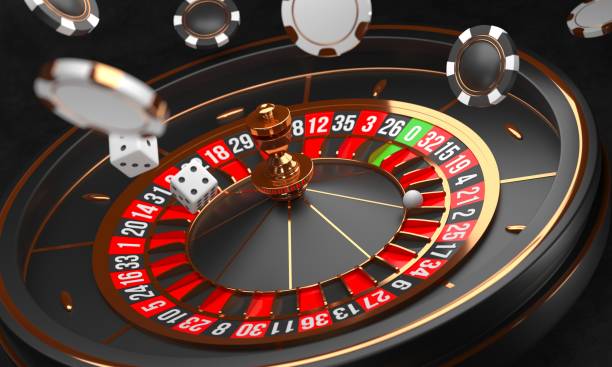
The choice of colors in a casino is another psychological strategy that significantly influences player behavior. Bold colors such as red and gold are often utilized due to their associations with excitement, wealth, and luck. These colors are not only visually stimulating but also evoke specific feelings that can enhance the gambling experience. For example, red is known to create a sense of urgency and can increase heart rates, prompting players to make quicker decisions and place bets more aggressively.
Furthermore, softer shades are often incorporated in lounge areas and restaurants within the casino. These colors create a calm and inviting atmosphere, allowing visitors to recharge before continuing their gaming activity. The interplay of vibrant gaming areas and serene resting spots is carefully balanced to ensure guests remain refreshed yet eager to return to the excitement of the tables and machines. This balance creates a holistic experience that caters to both the thrill-seekers and those in search of respite.

Importantly, the psychological effects of color in casino design extend beyond immediate reactions. Over time, certain color associations can lead to brand loyalty and familiarity with the casino’s environment. Patrons become conditioned to associate specific colors with positive experiences, which can influence their decision to return. Thus, the intentional application of color psychology in casino design serves not just to entertain but to foster lasting connections with guests.
Lighting and Ambiance Effects
Lighting is a crucial element in casino design, contributing significantly to the overall ambiance. The strategic use of light can evoke emotions and set the tone for various gaming areas. Bright, flashy lights draw attention to slot machines and gaming tables, creating an atmosphere of excitement and celebrating wins. Conversely, a more subdued lighting scheme may be employed in VIP lounges or high-stakes areas, fostering an intimate environment for high-rollers to engage in serious gambling.
Moreover, lighting can influence cognition and behavior in profound ways. Studies indicate that dim lighting can encourage risk-taking while brighter environments tend to promote caution. This understanding allows casino designers to manipulate lighting to maximize participation and expenditure. For instance, placing bright, colorful lights around entry points can attract guests, while adjustable lighting can create a dynamic atmosphere that changes with the time of day, maintaining engagement throughout different hours.
The interplay between lighting and sound is also notable in casino design. The sounds of coins dropping, cheerful jingles, and the background hum of conversations all contribute to the immersive experience. Together, these elements of lighting and auditory stimulation create an environment where players feel energized and focused. This psychological manipulation of sensory input enhances the overall experience, encouraging extended play and cultivating a sense of euphoria among visitors.
Soundscapes and Their Role in Engagement
The sounds experienced within a casino play a pivotal role in shaping the overall atmosphere and influencing player behavior. Sound design is meticulously curated, from the tinkling of coins in slot machines to the upbeat jingles that signal wins. These auditory cues are integral in creating an emotional response, where successful plays are celebrated with sounds that reinforce positive feelings and encourage continued gambling. This psychological approach enhances the overall experience, making patrons more likely to engage further with the games.
Apart from celebratory sounds, the background noise level within a casino is carefully managed to ensure it remains conducive to social interaction without being overwhelming. Lively chatter among guests heightens excitement while simultaneously fostering a sense of community. This social aspect of gambling is critical, as it enhances the experience beyond mere monetary transactions—players enjoy the companionship and shared thrills, thereby increasing their time spent in the venue.
Moreover, the strategic placement of sound sources can guide patrons’ movements within the casino. For example, louder sounds emanating from a particularly vibrant gaming zone can draw potential players in, while softer ambient sounds in lounge areas provide a retreat. By controlling the auditory landscape, casinos can effectively direct foot traffic, maximizing exposure to specific games and ensuring a greater likelihood of participation.
The Future of Casino Design: Trends and Innovations
As the gaming industry evolves, so do the psychological strategies employed in casino design. Innovations in technology, particularly with virtual and augmented reality, are beginning to redefine the gaming experience. Casinos are exploring these technologies to create immersive environments that allow patrons to engage with gaming in ways previously unimagined. This shift presents an opportunity for deeper emotional connections and interactive experiences that can enhance player loyalty and satisfaction.
Additionally, an increasing awareness of responsible gaming has influenced casino design trends. Designers are now integrating features that promote a healthier gambling environment, such as clear signage about play limits and dedicated areas for relaxation. This shift recognizes the importance of balancing excitement with well-being, ensuring guests enjoy their experience without falling prey to compulsive behaviors.
Incorporating sustainability into casino design is also gaining traction, with an emphasis on eco-friendly materials and energy-efficient systems. These innovations can appeal to environmentally-conscious consumers, adding a sense of social responsibility to the gaming experience. By embracing new technologies, prioritizing player well-being, and promoting sustainability, the future of casino design is poised to create richer, more engaging environments that resonate with diverse audiences.